800+
Students Trained
48+
Industry Experts
480+
Short Films
94%
Placement Rate

Comprehensive 1-Year Filmmaking Program for Aspiring Directors

Master the craft of visual storytelling through a hands-on, immersive journey into the world of professional filmmaking.

Program Duration

12 Months (48 Weeks)

Structured into two focused semesters designed to build your creative and technical skills.

Learning Mode

On-Campus

Hands-on Training

Train with industry-standard equipment and real production environments.

Projects & Portfolio

Work on 15+ practical projects including short films, commercials, and music videos.

Graduate with a professional portfolio that showcases your storytelling and technical ability.

Faculty

Learn from working industry professionals with real-world filmmaking experience.

Small class sizes ensure personalized mentorship and hands-on guidance.

Why Choose MDFA?

Discover what makes us the premier film institute in Mumbai

Hands-On Training

Gain practical experience using industry-standard cameras, lighting, and editing tools on real film sets.

Expert Faculty

Learn directly from experienced professionals actively working in Bollywood and the Indian film industry.

Comprehensive Curriculum

From screenwriting to post-production, our program covers every step of the film making process.

Industry Connections

Network with directors, editors, cinematographers, and producers through guest lectures and live projects.

Production Opportunities

Create your own short films, documentaries, and music videos as part of your portfolio.

Placement Assistance

Get help finding opportunities in the film and media industry after completing your program.

Course Syllabus

Structured progression through 3 semesters of intensive learning

Semester 1 — Foundation

3 Months Beginner Level Practical Focus

This semester is compulsory for every student. It covers camera basics, exposure, composition, DSLR operation, basic sound, introduction to post-production and storytelling. Heavy emphasis on hands-on practice and class-work. Students must complete set projects to progress.

Theory (approx. 30%)

  • Foundations of visual storytelling: shots, framing, camera language
  • Camera exposure: aperture, shutter, ISO, white balance
  • Lens basics: focal length, depth of field, prime vs zoom
  • Introduction to lighting principles: natural vs artificial, 3‑point basics
  • Sound basics: microphones, room sound, basic manual recording
  • Intro to screenplay structure & script formatting
  • Basic colour theory & image aesthetics

Assessment & Promotion Criteria

  • Continuous assessment: weekly practical assignments (60%)
  • Final practical portfolio (40%)
  • Minimum pass: 60% aggregate
  • Panel sign-off required for promotion to Semester 2

Practical (approx. 70%)

  • Hands-on camera labs with DSLR (Canon / Sony / Nikon)
  • Gimbal fundamentals: balancing & simple moves
  • On-set basic lighting setups
  • Photo feature: 10–12 image photo feature with captions
  • Class project: 10‑shot continuity scene
  • Short film: Group project — <5 minutes
  • Independent mini‑documentary: ≤ 15 minutes
  • Assist on 1 instructor-led project

Software Taught

Lightroom
Photoshop
Premiere Pro

Semester 2 — Intermediate

5 Months Intermediate Level Production Focus

Builds on foundational skills: multi‑camera workflows, narrative development, advanced lighting, professional sound, scripting & pre‑production tools, and non‑linear editing to a higher level. Students handle larger projects and begin to specialise in roles.

Theory (approx. 30%)

  • Advanced storytelling: script analysis, scene construction
  • Pre‑production workflows: budgeting, scheduling, call sheets
  • Lighting for drama: motivated lighting, modifiers
  • Sound design fundamentals and microphone techniques
  • Colour grading theory & LUTs overview
  • Camera systems overview: cinema cameras vs DSLR

Assessment & Promotion Criteria

  • Continuous practical assessment (50%)
  • Project evaluation by faculty panel (40%)
  • Theory & viva (10%)
  • Minimum overall pass: 60%
  • Satisfactory completion of core projects required

Practical (approx. 70%)

  • Hands-on with cinema-style gear: Canon Cinema line
  • Professional grip & slider systems, gimbal stabilizers
  • On-location shoots: multi-cam setups, blocking actors
  • Sound practice with Zoom recorders, dynamic & condenser mics
  • Pre‑production & scriptwriting labs
  • Storyboard and animatics
  • Editing & audio post: dialogue editing, noise reduction
  • Project assistantships on 1–2 instructor productions

Software Taught

Final Draft
Celtx
Storyboard Pro
Audition
Final Cut Pro

Semester Projects (required)

  • 2 Anchoring shows — each ≤ 10 minutes
  • 2 Podcasts — each ≤ 10 minutes
  • 1 Mid-level Documentary — ≤ 30 minutes
  • 2 Advertisement films — each ≤ 30 seconds
  • 2 Short films — each ≤ 15 minutes

Semester 3 — Advanced

4 Months Advanced Level Specialization Focus

Students operate like professional crews: advanced camera systems, drone & aerial cinematography, high-end lighting packages, advanced post workflows including grading, VFX and audio finishing. Emphasis on portfolio-ready deliverables and festival-ready projects.

Theory (approx. 25%)

  • Advanced cinematography theory: lenses, t-stops, motion & optics
  • Directing actors & on-set leadership
  • Advanced production management & distribution basics
  • Colour science & advanced grading workflows
  • Advanced sound mixing & music supervision concepts

Assessment & Graduation Criteria

  • Major project evaluations & jury review (60%)
  • Practical assessments and role-based competencies (25%)
  • Viva & portfolio presentation (15%)
  • Minimum pass: 60% overall
  • Approved capstone project required for graduation

Practical (approx. 75%)

  • Working with high-end cameras: Canon Cinema / Sony FX / Blackmagic URSA
  • Professional lens suites: Master Prime, Supreme Prime, Optimo, HR Zoom
  • Arri lighting packages, rigging, DMX basics
  • Drone operation & aerial cinematography (DJI)
  • Advanced sound workflows: multi-track recording, lapel mics
  • Post production: DaVinci Resolve, After Effects, Logic Pro
  • Capstone projects with festival-ready deliverables

Software Taught

DaVinci Resolve
After Effects
Logic Pro

Semester Projects (required)

  • 2 Music Videos — director/DP led
  • 2 Short Films — each ≤ 25 minutes (festival-ready)
  • 2 Advertisements — high-end, client-style briefs (≤ 60 seconds each)
  • Capstone: Major project (short film, documentary or branded content)

Industry-Standard Equipment

Get hands-on experience with professional film making gear

  • Professional Cinema Camera

    Cinema Cameras

    Canon Cinema, Sony FX series, Blackmagic URSA

  • Professional Camera Lenses

    Lens Systems

    Prime, zoom, and anamorphic lens suites

  • Professional Lighting Equipment

    Lighting Equipment

    Arri fixtures, Kino Flo, HMI, LED panels

  • Professional Audio Equipment

    Audio Equipment

    Shotgun mics, lavaliers, boom poles, Zoom recorders

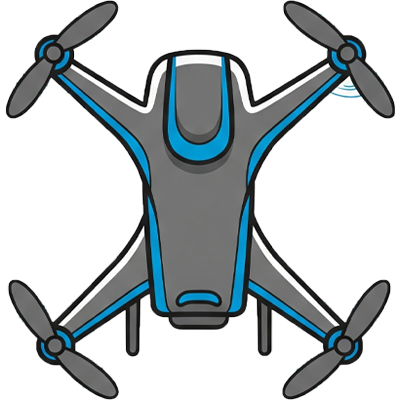
  • Drone for Aerial Cinematography

    Aerial Cinematography

    DJI drones for professional aerial shots

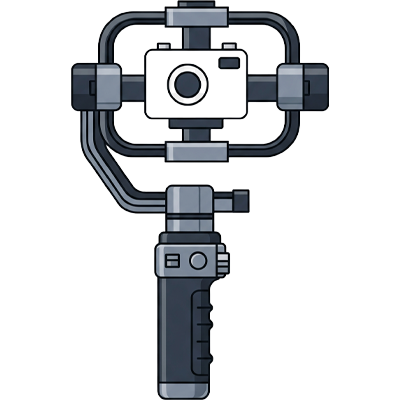
  • Camera Stabilization Equipment

    Stabilization Systems

    Gimbals, sliders, tripods, and professional grip
Student Success Stories

Hear from our alumni who are making waves in the film industry

  • "The hands-on approach at MDFA gave me the confidence to work on professional film sets. The 1-Year Diploma program covers everything from pre-production to post, and the industry connections I made were invaluable."

    Rahul Sharma - Film Director

    Ankit Verma

    Assistant Director, Bollywood Productions

  • "The comprehensive curriculum and access to professional equipment helped me build a strong portfolio. Within months of graduating, I was working as a cinematographer on commercial projects."

    Priya Patel - Cinematographer

    Pooja Sharma

    Cinematographer, Independent Films

  • "The faculty at MDFA are industry professionals who provide real-world insights. The program structure with three semesters allowed me to gradually build my skills and specialize in editing."

    Amit Verma - Video Editor

    M Praveen

    Video Editor, Post Production House

Start Your Filmmaking Journey at Mumbai’s Premier Film Academy

Limited seats available for the upcoming batch. Apply now to secure your place in our industry-focused filmmaking programs.

Frequently Asked Questions

Find answers to common questions about our 1-Year Diploma program

What are the eligibility criteria for the 1-Year Diploma program?

Applicants must have completed 10+2 (any stream) and possess a strong passion for film making. No prior experience is required as the program starts from foundational concepts. A portfolio or creative work sample is appreciated but not mandatory.

What is the class schedule and timing?

The program follows a structured schedule with classes held 5 days a week. Semester 1: 18–22 hours/week, Semester 2: 22–28 hours/week, and Semester 3: 25–32 hours/week. Practical sessions may occasionally extend beyond regular hours to accommodate shooting schedules.

Do you provide placement assistance after course completion?

Yes, we have a dedicated placement cell that assists students with opportunities in the film and media industry. We organize campus recruitment drives, provide internship opportunities, and help students connect with production houses, advertising agencies, and OTT platforms.

What is the fee structure and payment options?

The total program fee is ₹XXX,XXX which can be paid in installments semester-wise. We also offer educational loan assistance through our banking partners. For detailed fee structure and payment plans, please contact our admissions office.

Do students get to work on real projects during the course?

Absolutely! The curriculum is designed with a project-based approach. Students work on multiple projects including short films, documentaries, advertisements, music videos, and more. These projects become part of their professional portfolio.